

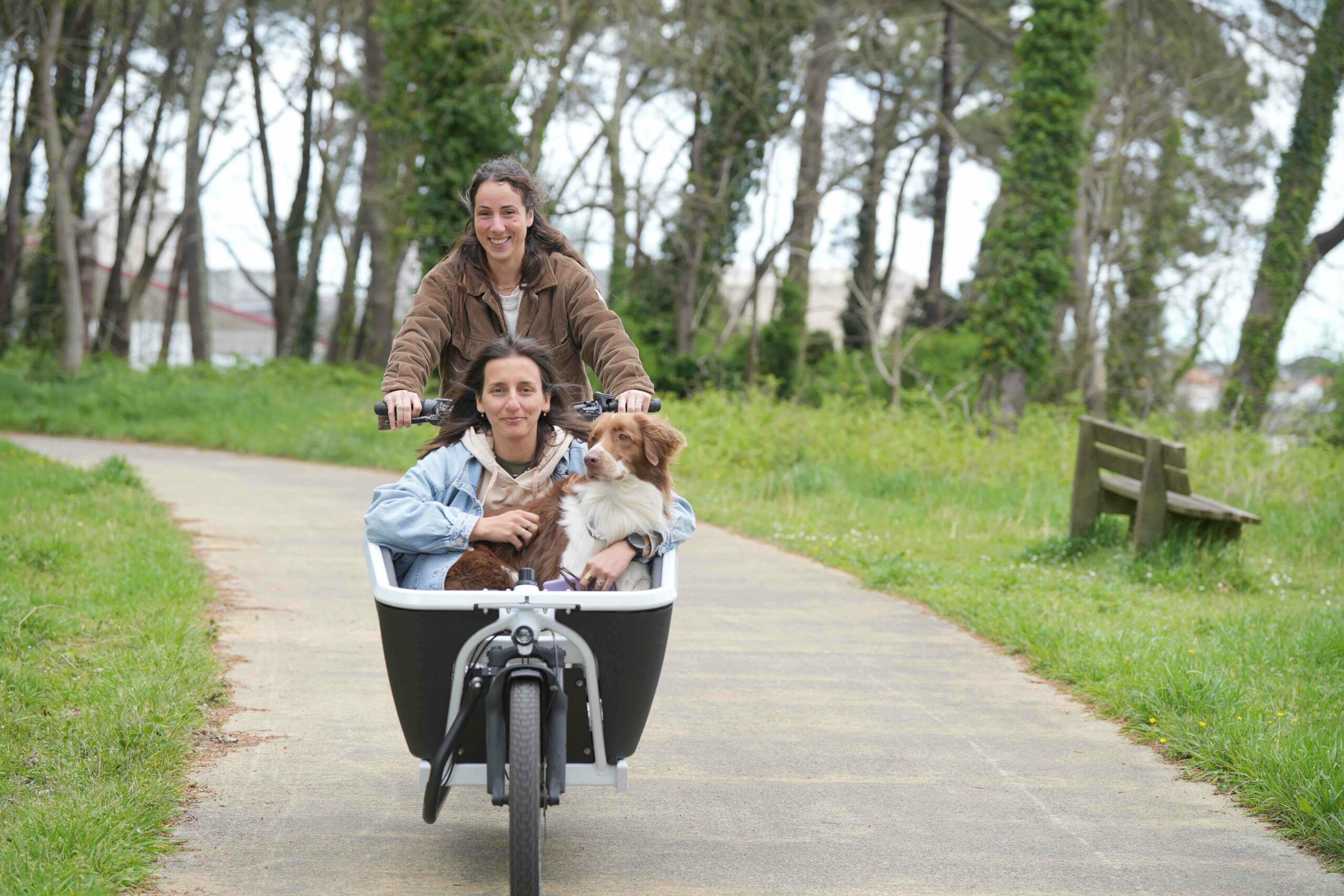
Location de vélo électrique à Anglet : où rouler et comment choisir ?
à Anglet, nous vous proposons la location de vélo dans notre agence ouverte à l’année au 114 Avenue de l’Adour, mais aussi au camping Belambra
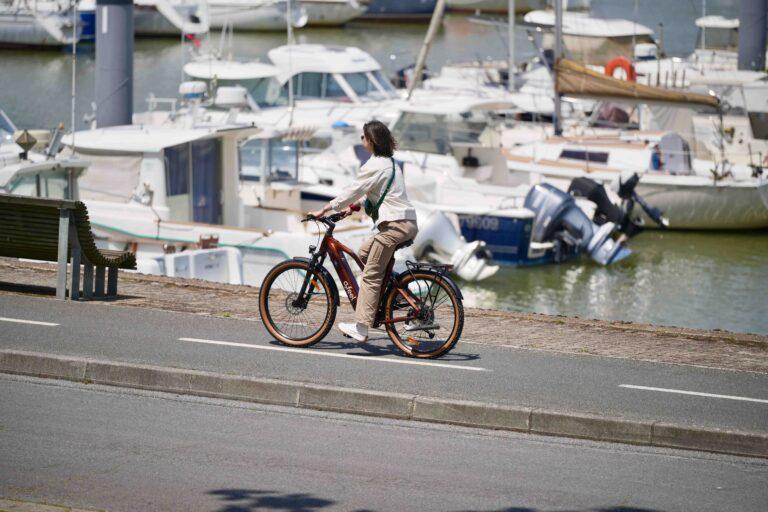
To opt for a Electric bicycle intended for a Urban use is anything but trivial. Dense traffic, frequent stops, and the need for versatility impose specific constraints. Are you considering taking the plunge but wondering about the essential criteria to prioritise? Here are concrete, comparative pointers to help you make an informed choice, meet your daily urban needs, and fully enjoy the electric mobility.
Every urban cyclist has their own priorities. Between Commutes, strolls through bustling neighbourhoods or trips to the local markets, your expectations will probably not be the same as those of a lover of long country walks. Determining your true uses is already ensuring that the future Electric bicycle can play their part without disappointing.
Several factors come into play here, notably the Frequency of use, the typical daily distance covered, or the nature of the terrain. A daily ten-kilometre commute with frequent accelerations may require a more dynamic engine and one long-lasting battery, allowing for greater lightness or compactness through short, occasional trips.
The duo motor battery carries a lot of weight in the final decision.’battery life it corresponds to your usual journeys, while taking into account a margin for unforeseen events or forgotten charges. Too tight, it generates stress and limitation; too broad, it weighs down the budget...and the Bike weight pointlessly.
The engine type influences directly the comfort general and the ease of use. For the town, a motor positioned in the front hub ensures gentle assistance, ideal for frequent starts. In contrast, a Central engine ensures better weight distribution and optimal efficiency on climbs or when facing headwinds. Inquiring about the power (often between 250 and 500 watts) also helps gauge acceleration capacity and pedalling fluidity.
In a context urban, rapid accelerations after every red light become unavoidable. This is where the torque engine-reaction speed makes all the difference. Some models offer Adjustable assistance modes which facilitate transitions between quiet areas and busier routes.
Also pay attention to noise generated by certain engines. Silent movement not only offers real auditory comfort but also helps to discreetly blend into the urban landscape.
To benefit from a Urban use, one should aim for a Comfortable autonomy, generally between 40 and 80 kilometres depending on the chosen mode. Flat routes demand less energy than those with multiple ascents; the number of pauses or restarts also affects battery consumption.
Plan ahead: work out the distances of your typical journeys, add a margin (ideally 30%) and check whether the technical specifications of the model you’re considering fall within this range. Taking this precaution will save you a lot of frustration in the event of unexpected journeys home.
One ill-fitting bicycle risk of turning every outing into an ordeal. On urban tarmac too, the comfort prime. Hence the interest in considering the frame geometry, which affects posture, handling, and how you feel after a long journey. A Open frame Simplifies getting on, practical for repeated stops at traffic lights or for carrying a few surprise shopping items.
The Adjustable saddle, les ergonomic handles and the Tyre width are included in the equipment to be examined. Of good shock absorbers also earn their place, especially for cobblestones or damaged roads.
Nothing should be overlooked when the weather or unforeseen circumstances can liven up a journey. To maximise practicality, certain accessories quickly become indispensable:
With these equipment, adapting to city life becomes natural and reassuring, even during rainy or busy seasons.
In an urban environment, every extra kilo is noticeable on the Metro stairs or when putting things away at the office. Preferring a reasonably light model facilitates multimodal journeys and prevents the user from becoming prematurely exhausted during short portages.
The electric bikes with an aluminium frame mixed (aluminium-steel) composites achieve good results in terms of a balance between strength and total weight. A bicycle weighing between 18 and 23 kilograms remains the most common for city use. It is advisable to also check the possibility of easily removing the battery to temporarily lighten the bike.
All the Electric bike categories do not suit each other Urban use. The city bikes generally on the comfort and the Simplicity whereas the Taxi offer a certain versatility suitable for those who alternate between streets, cycle paths and small trails.
Some will prefer a Compact bicycle, perfect for restricted storage spaces or for transport in a lift. The choice of Geometry, The standover height or frame dimensions then depend on the rider's physique and the desired feel: an upright posture for observing traffic, or a more inclined one for longer pedal strokes.
Here is a summary table to better differentiate these three types, each having its strengths depending on the urban context:
| Category | Main advantages | Points of attention |
|---|---|---|
| City bike | Upright posture, full equipment, easy access | Less agile on winding tracks, sometimes heavier |
| Hybrid bike | Versatile, suitable for town and country, will handle all gentle terrains | Noticeably larger, variable weight |
| Compact bicycle | Space-saving, maximum agility, easy to assemble/disassemble | Less autonomy at times, a different feel when driving |
This summary guides towards the category the most coherent with the lifestyle and promotes a sustainable purchase.
A good Geometry optimise comfort and avoids muscle fatigue. For the’Urban use, to bet on Low frame makes climbing easier, especially with frequent stops. This is ideal for users wearing loose clothing or carrying children and luggage.
Conversely, a High-end frame provides enhanced stability at high speeds but is often reserved for experienced cyclists. The final choice will depend on the size, flexibility and confidence offered by each design.
The cost of an electric bike suitable for a Urban use vary greatly. There are affordable models around €1000, but the investment quickly rises depending on the level of’equipment and of Embedded technology. To fix budget allows for effective sorting, while remaining vigilant about the concept of value for money.
Beyond the initial cost, consider ancillary charges such as’interview, the replacement of certain parts or the purchase of’safety accessories. Opting for a brand that offers accessible after-sales service also offers welcome peace of mind in the long run.
To adopt this global reasoning helps not to be seduced solely by the price, but to integrate all components of the urban project.
For daily needs Town, it remains advisable to target a battery life between 40 and 80 km depending on usual journeys. This range covers the majority of domestic and professional uses, with room for detours or forgotten recharges. Always adjust this criterion based on the terrain and your weight.
En Urban use, one Lightweight electric bike facilitates transport in corridors, car parks or public transport. However, the Robustness is essential for withstanding frequent shocks and stresses. The best compromise: opt for a model around 20 kg equipped with sturdy accessories to combine manoeuvrability and durability.
Besides a doorbell and a good anti-theft device, the essential kit includes:
This equipment immediately transform the practicality of two-wheeled vehicles in the city.
Yes, in most cases. The Low frame facilitates repeated, frequent starts and stops in urban traffic. It will be particularly suitable for people seeking increased accessibility or wishing to mount their bike without excessive effort.
à Anglet, nous vous proposons la location de vélo dans notre agence ouverte à l’année au 114 Avenue de l’Adour, mais aussi au camping Belambra
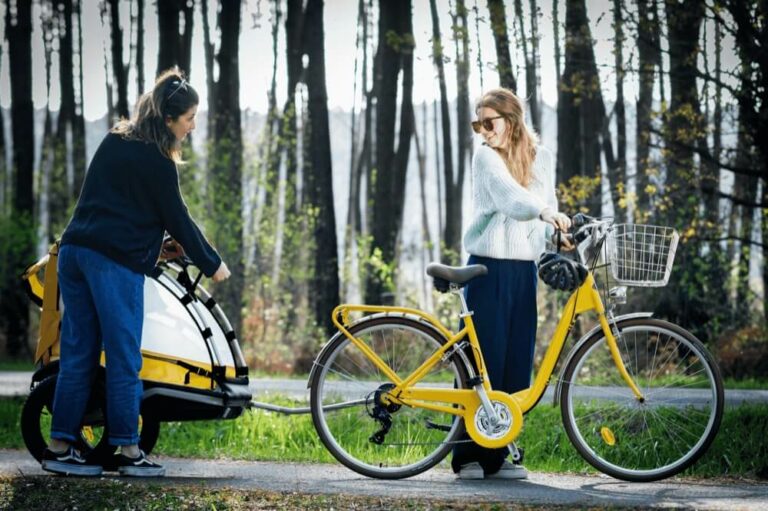
Les vacances de la Toussaint 2026 ont lieu du samedi 17 octobre au lundi 2 novembre, aux mêmes dates pour toutes les zones. C’est une
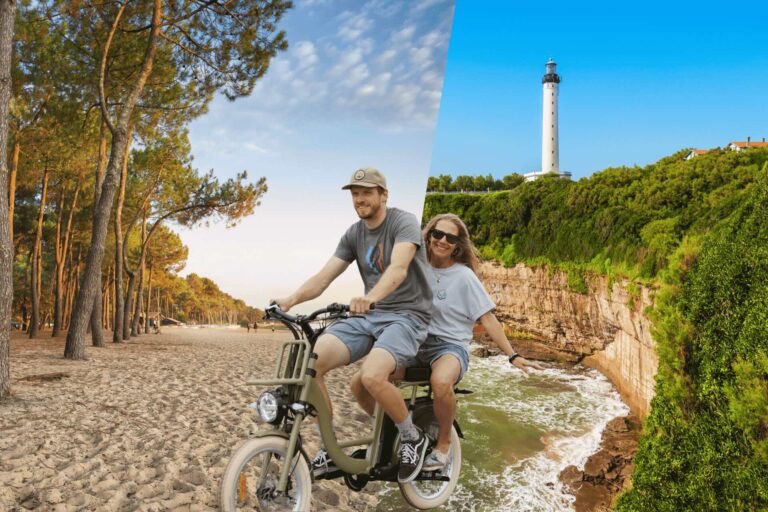
Les Landes offrent de longues pistes plates en forêt de pins et le long de l’océan, parfaites pour rouler en famille ou sans effort. Le
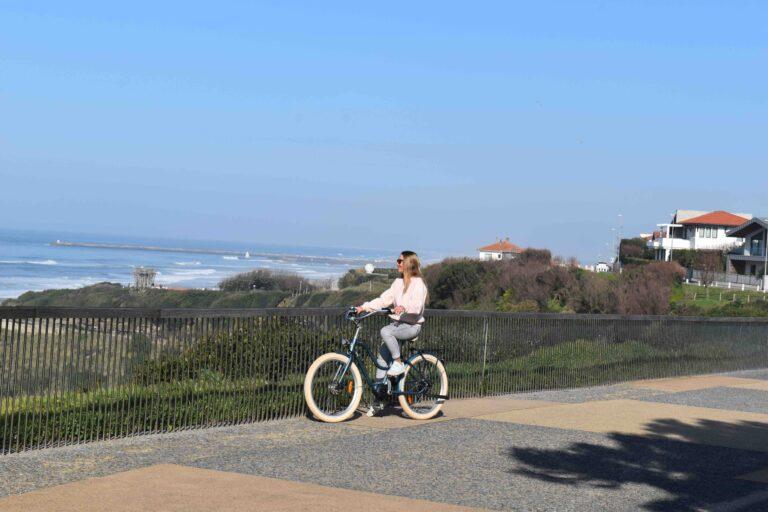
La Vélodyssée, l’itinéraire cyclable EuroVelo 1 qui longe la côte atlantique de Roscoff à Hendaye, traverse directement les destinations Landes et Pays Basque de Joe
Joe Bike vend des vélos d’occasion révisés directement en ligne, avec possibilité de livraison à domicile : pas besoin d’habiter dans les Landes ou au
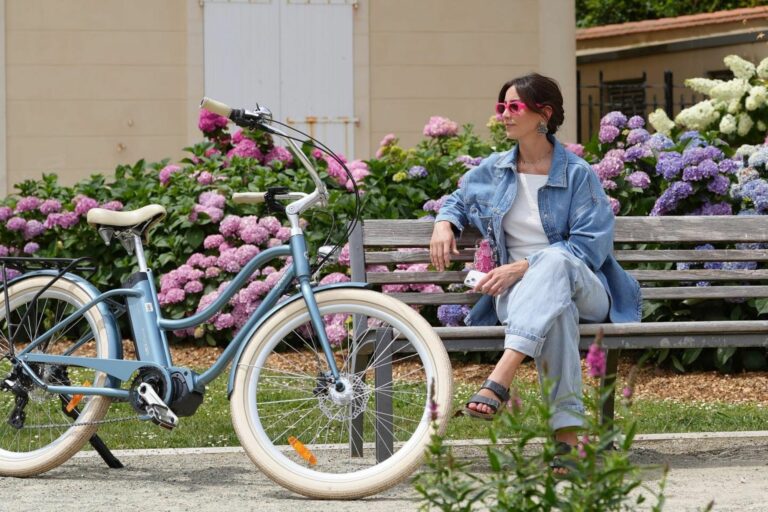
Louer un vélo à Biarritz, c’est la promesse de longer l’océan sans effort, entre la Grande Plage et la Côte des Basques. Joe Bike propose
To offer the best experiences, we use technologies such as cookies to store and/or access device information. Consenting to these technologies will allow us to process data such as browsing behaviour or unique IDs on this site. Not consenting or withdrawing consent may adversely affect certain features and functions.
En poursuivant votre navigation sur le site joebike.fr, vous acceptez l’utilisation de cookies. Ceux-ci nous permettent de vous proposer une navigation toujours plus pertinente et de réaliser un suivi statistique de vos visites via Google Analytics. Google utilise également ces cookies pour vous proposer des publicités personnalisées sur d'autres sites.