This department is a cycling mecca, offering routes that regularly reach peaks above 2,000 metres in altitude. Benefiting from an exceptional climate influenced by its proximity to the Mediterranean, the Hautes-Alpes guarantee cyclists clear skies and breathtaking panoramas. From the wild Queyras region to the fortified Briançonnais, via the gentle hedgerow landscape of Champsaur, the routes cater to both seasoned climbers and lovers of contemplative cycle touring. The network of professionals awarded the Accueil Vélo label and the regular safety improvements on certain major passes greatly facilitate the organisation of a stay in this exceptional territory.
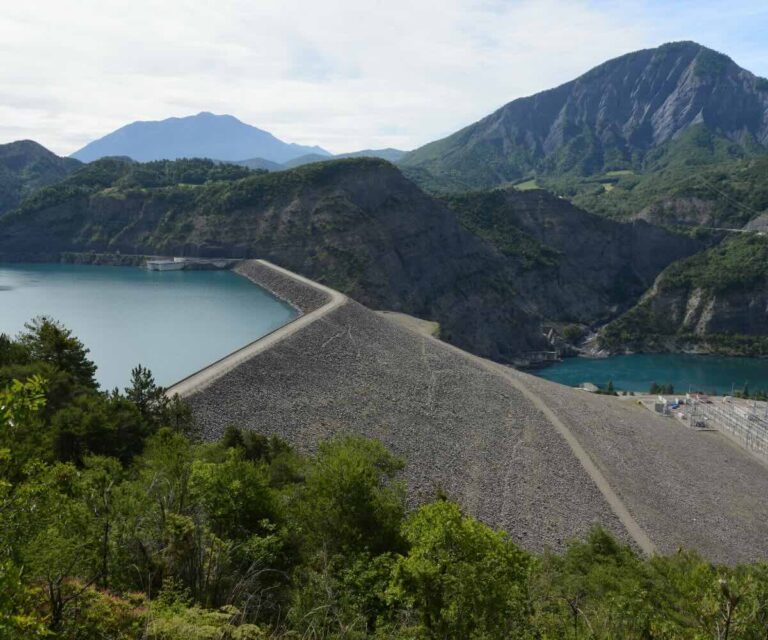
A true "sea in the mountains", the Serre-Ponçon lake is a major attraction for mid-altitude cycle touring. The cantilevered roads overlooking this immense reservoir offer breathtaking viewpoints where the blue of the water contrasts with the sharp relief of the surrounding peaks. The routes connecting Embrun to the various coves allow for varied loops, ideal for a day trip. It's a favoured playground for electric-assist bikes, which make it possible to smooth out the short but steep little climbs dotted along the banks.
For amateur cyclists, the Hautes-Alpes represent an unmissable pilgrimage, with climbs that have forged the legend of world cycling. The Galibier pass, a natural border with Savoie, and the Lautaret pass open the way to high altitudes. Further south, the Izoard pass and its lunar landscape of the Casse Déserte offer a unique and mystical climbing experience. Finally, the Vars pass and the ascent to the Risoul resort complete this catalogue of physical challenges, where each bend reveals grandiose mineral panoramas.
To the west and north of the department, the high mountain barriers give way to landscapes of hedged valleys and wild rivers. The Baronnies Provençales Regional Nature Park and the Buëch valley offer a gentler, more rolling terrain, ideal for gravel biking or leisurely rides away from traffic. The Champsaur, meanwhile, nestles its crops at the foot of the Écrins massif, offering small country roads that are particularly pleasant to cycle in the spring. These less physically demanding areas allow you to discover pastoral life and mountain heritage at a relaxed pace.
To offer the best experiences, we use technologies such as cookies to store and/or access device information. Consenting to these technologies will allow us to process data such as browsing behaviour or unique IDs on this site. Not consenting or withdrawing consent may adversely affect certain features and functions.
En poursuivant votre navigation sur le site joebike.fr, vous acceptez l’utilisation de cookies. Ceux-ci nous permettent de vous proposer une navigation toujours plus pertinente et de réaliser un suivi statistique de vos visites via Google Analytics. Google utilise également ces cookies pour vous proposer des publicités personnalisées sur d'autres sites.